You Watched Without Me: The Unspoken Rules Nobody Follows Anymore
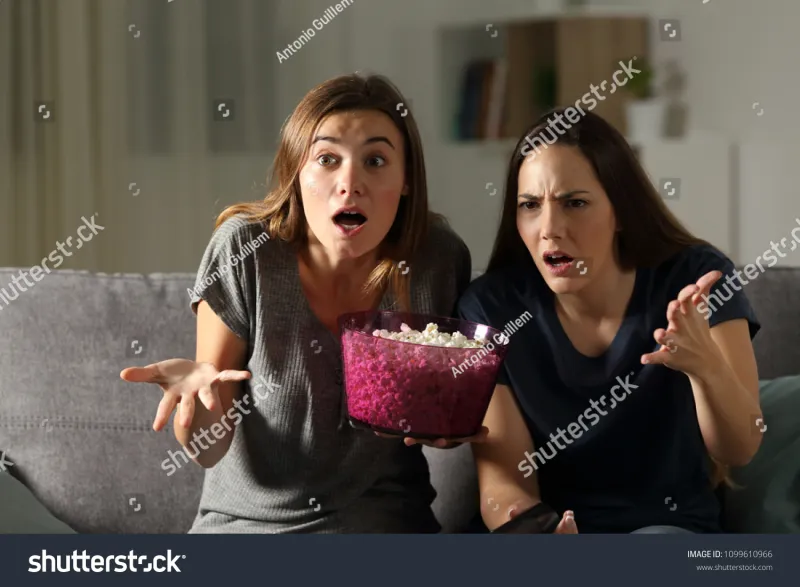
Photo: friends arguing watching TV couch spoiler phone texting, via www.shutterstock.com
It starts innocently enough. A text in the group chat: "okay I finished the new season don't @ me." And just like that, the damage is done. Someone's still on episode three. Someone else hasn't started yet. And now the whole thing is a minefield — every conversation a potential spoiler, every reaction GIF a clue nobody asked for.
This isn't a new problem exactly, but streaming made it so much worse. And so much more personal.
When TV Had a Schedule, We Were All on the Same Page
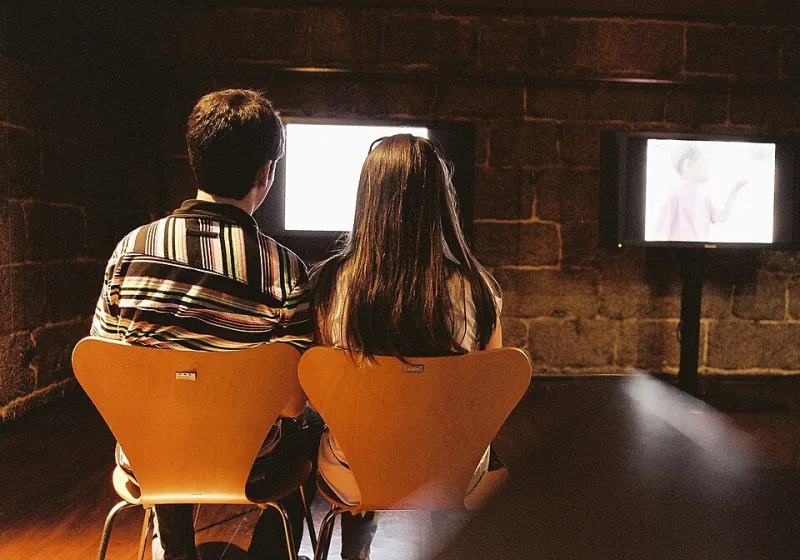
There was a time — not even that long ago — when appointment television kept everyone loosely synchronized. You watched Lost on Wednesday nights or you didn't watch it at all. Thursday morning at the office, everyone had seen the same thing. The water cooler conversation was a shared experience because the broadcast schedule made it one.
Streaming blew that up completely. Which, honestly, felt like a win. Watch what you want, when you want, at whatever pace your couch and your schedule allow. Skip the filler episodes. Devour the whole thing in a weekend. Nobody's stopping you.
Except now nobody's on the same episode. And that changes everything about how we talk about TV.
The Spoiler Is No Longer a Simple Sin
Spoilers used to be easy to define. You saw the movie before your friend did, you kept your mouth shut about the twist until they caught up. Simple. Clean. Respectful.
But streaming has introduced a whole new layer of complexity. When an entire season drops at once, what's the grace period before talking about it openly? A week? Two? What if your friend watched it in 48 hours and you took three weeks? Does the faster watcher owe the slower one anything? Do you have to wait indefinitely, or does slowness forfeit your spoiler protection at some point?
There are no official answers. Every friend group is making up their own rules in real time, and those rules are constantly colliding. Someone always ends up feeling burned.
And it's not just about movies or season finales anymore. People are having blowout arguments over whether mentioning that a show "gets really good around episode six" counts as a spoiler. The goalposts keep moving.
The Guilt of Watching Ahead
Here's a tension point that doesn't get talked about enough: the guilt of the solo binge.
You and your partner, or your best friend, or your roommate, agreed to watch a show together. You were going to do it properly — couch nights, snacks, the whole deal. But then they had a work thing. And then you had a slow Sunday. And before you knew it you were four episodes in without them.
Now what? Do you rewatch those episodes together and pretend you don't know what's coming? Do you confess immediately and watch the rest in real time? Do you just... say nothing and hope they don't notice you're weirdly unsurprised by the plot twists?
None of these options are great. All of them happen constantly. Streaming made solo watching so frictionless that we do it almost reflexively, and then we're left managing the social fallout.
"Did You See the New Season?" Is Now a Loaded Question
There's a specific kind of social awkwardness that's become a hallmark of streaming culture, and it goes like this:
Somebody brings up a show you're currently watching. You're on season two. They're on season four. The conversation immediately becomes a negotiation — they want to talk about it, you want to experience it fresh, and now you're both doing this weird verbal dance where they're trying to gauge how much they can say and you're bracing yourself for accidental reveals.
Or worse: they mention the show, and you haven't started yet, and they light up with that look. The "oh my god you HAVE to watch it" energy. Which is great! Except now they want to talk about why it's so good, and they can't really explain it without giving something away, and you leave the conversation knowing just enough to have the experience slightly spoiled anyway.
This is the paradox of streaming enthusiasm. The more someone loves a show, the harder it is for them to recommend it cleanly.
The Watch Party as Damage Control
Somewhere along the way, the watch party made a comeback — and it's not hard to see why. Physically gathering people in the same room to watch the same episode at the same time is basically a workaround for every problem streaming created. Synchronized viewing. Shared reactions. No spoilers because everyone is finding out at the exact same moment.
Services like Netflix and Amazon have even built in virtual watch party features, which speaks to how real this problem has become. We broke communal TV and then had to build tools to simulate it.
It works, but it requires coordination that the whole promise of on-demand was supposed to eliminate. You're essentially recreating appointment television voluntarily because the alternative — everyone watching at their own pace and then trying to have a conversation about it — is kind of a mess.
So What Are the Rules Now?
Honestly? We're all still figuring it out. But a few norms seem to be emerging from the chaos:
The 72-hour rule — for major cultural moments (big finales, highly anticipated drops), many people seem to operate on an informal three-day buffer before spoilers are fair game in group chats. It's not universal, but it's something.
The opt-in conversation — asking "are you caught up?" before diving in has become its own kind of social courtesy. It's a small thing, but it signals that you're aware other people exist on different timelines.
The rewatch offer — if you watched ahead in a shared show, offering to sit through episodes again with your person is basically the streaming equivalent of a sincere apology. Most people appreciate the gesture even if they don't take you up on it.
The content warning for enthusiasm — before launching into a full breakdown of why a show is incredible, checking whether the other person has seen it yet has become basic etiquette in a lot of circles.
None of this is codified. None of it is consistent. But the fact that we're developing these norms at all suggests that people genuinely care about protecting the shared experience of watching something — even in a world where sharing that experience is harder than ever.
The Couch Is Still a Social Space
For all the friction it's introduced, streaming hasn't actually killed the communal side of TV. If anything, the arguments about spoilers and pacing and who watched what without whom are evidence that people still want to share this stuff. We're still texting about shows. Still showing up to watch parties. Still starting group chats specifically for a new season drop.
The social contract around TV didn't disappear — it just got renegotiated without anyone sitting down to do it properly. We're all writing the rules as we go, one awkward "wait, you already finished it?" conversation at a time.
So maybe be a little patient with the friend who's three episodes behind. And maybe, just maybe, wait until they catch up before you say anything about that ending.