You've Seen It a Hundred Times. They Haven't. Why That's a Problem.
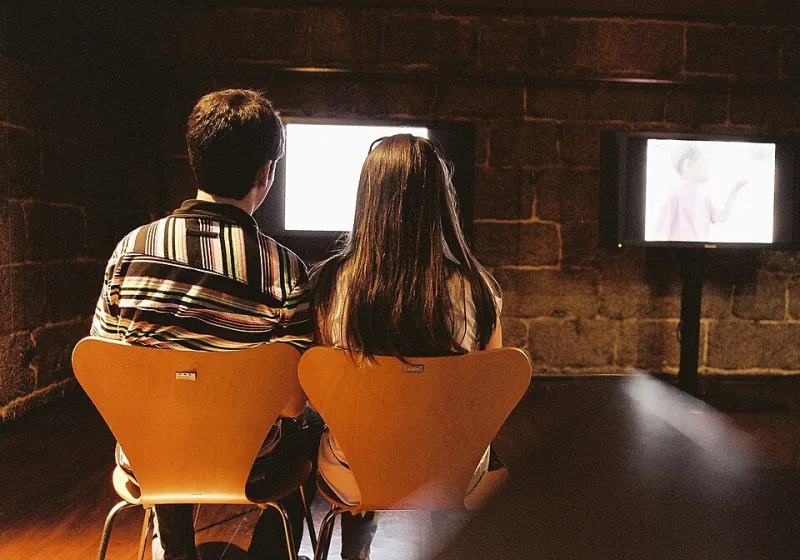
Photo: Miguel Pires da Rosa from Braga, Portugal, CC BY-SA 2.0, via Wikimedia Commons
You've been waiting for this moment. Your roommate finally agreed to start The Wire. Your partner is locked in for a Breaking Bad rewatch — their first time, your fourth. You've got snacks, you've cleared the weekend, and you are ready to watch their face when the thing happens in episode four.
Then they say they're kind of tired and maybe they should just watch something lighter.
Welcome to the reunion trap — that peculiar emotional minefield of re-experiencing a beloved show through someone else's completely unpredictable eyes. It sounds like it should be pure joy. More often than not, it's quietly exhausting.
The Show You Love Doesn't Exist Anymore
Here's the uncomfortable truth: the version of a show you fell in love with is gone. It lives only in your memory, shaped by the specific circumstances of when you first watched it — who you were, what you were going through, whether you stumbled on it at 2 a.m. with no expectations or binged it over a fever weekend with nothing else to do.
When you sit down to rewatch with someone new, you're not rewatching that show. You're watching a different person experience a completely different version of it, filtered through their own context, mood, and attention span. And because you've already made the journey, you can't go back. You know what's coming. They don't. That gap — between your knowing and their not-knowing — is where all the friction lives.
Psychologists call this the "curse of knowledge," and it's brutal in shared viewing situations. You can't unknow the ending. You can't experience the slow-burn tension of a reveal you've already seen three times. All you can do is watch them experience it and hope their reaction matches the one you built up in your head.
Spoiler: it usually doesn't.
The Guide Problem
Something shifts when you become the person who's "seen it before." Suddenly you're not just a viewer — you're a curator, a docent, a hype person with too much skin in the game. You start monitoring their reactions instead of watching the show. You pause to explain context. You catch yourself pre-apologizing for slow episodes. You are, in the most well-intentioned way possible, completely ruining your own experience.
There's also a weird pressure that comes with being the recommender. If they don't love it, that feels personal somehow. Like your taste is on trial. Like the thing you love has been evaluated and found wanting. Even if they're totally into it, you might find yourself grading their enthusiasm — are they really into it, or just being polite?
This is a lot of emotional labor for what was supposed to be a couch night.
When Their Reaction Is Just... Wrong
And then there are the moments that genuinely sting. They laugh at the wrong time. They're bored during the scene you've always considered a masterpiece. They're on their phone during the cold open that hooked you completely. They say a character you love is "kind of annoying" and suddenly you need to take a walk.
None of this means they're wrong about the show. It means they're having their own experience of it — one you have zero control over. The problem is that we often unconsciously treat our favorite shows like personal property. This thing shaped me. It matters to me. When someone receives it casually, it can feel like a small rejection, even when it absolutely isn't.
This is especially true with shows that hit at a specific time in your life. If Friday Night Lights got you through a rough patch in your twenties, watching someone shrug at Coach Taylor's locker room speech is going to sting in ways that are completely disproportionate to what's actually happening.
How to Actually Enjoy This Without Losing Your Mind
None of this means you should stop sharing the things you love. It just means going in with a cleaner set of expectations.
Let go of the reaction you've scripted. You have a mental movie of how this is supposed to go — their jaw dropping at the twist, the two of you pausing to debrief after every episode, them immediately declaring it their new favorite show. That movie is fiction. The real experience will be messier and more interesting if you let it be.
Stop watching them watch it. This one is harder than it sounds. But the more you monitor their face for signs of approval, the less you're actually present. Commit to watching the show, not their reactions to it.
Give the pilot room to breathe. A lot of beloved shows have rough first episodes — Parks and Recreation, Seinfeld, Community all took a few episodes to find their footing. If you're hovering anxiously during a slow start, that anxiety is contagious. Relax. Let the show do the work.
Accept that their version of loving it will look different from yours. Maybe they end up liking the show for entirely different reasons than you do. Maybe they fixate on a supporting character you never cared about. That's not a failure — that's just two people interacting with the same material differently. It can actually be fascinating if you're not too invested in them mirroring your experience.
Know when to back off. Not every show is for every person. If three episodes in they're clearly not feeling it, the kindest thing you can do — for them and for your relationship with the show — is let it go. Forcing someone through content they're not connecting with is a great way to make them resent both the show and you.
The Upside Nobody Talks About
For all the ways this can go sideways, there's something genuinely special that can happen when it goes right. Watching someone fall in love with a show you already know deeply is one of the more underrated joys of being a TV person. You get to see things with fresh eyes, even slightly. You catch details you missed. You remember why you loved it in the first place.
Sometimes they'll point out something you never noticed. Sometimes their reaction to a scene will reframe it entirely. Sometimes they'll love a character you dismissed and make you reconsider. The best shared viewing experiences aren't the ones where someone confirms your existing feelings — they're the ones where the show becomes a conversation.
That only happens when you're not too busy managing the experience to actually be in it.
So the next time you queue up your favorite series for someone who's never seen it, take a breath, put the remote down, and try to remember what it felt like the first time. You're not the guide here. You're just two people on a couch, watching something together.
That's the whole point.