When the Plot Twist Hits Different: How a Single Story Turn Can Blow Up Your Whole Friend Group
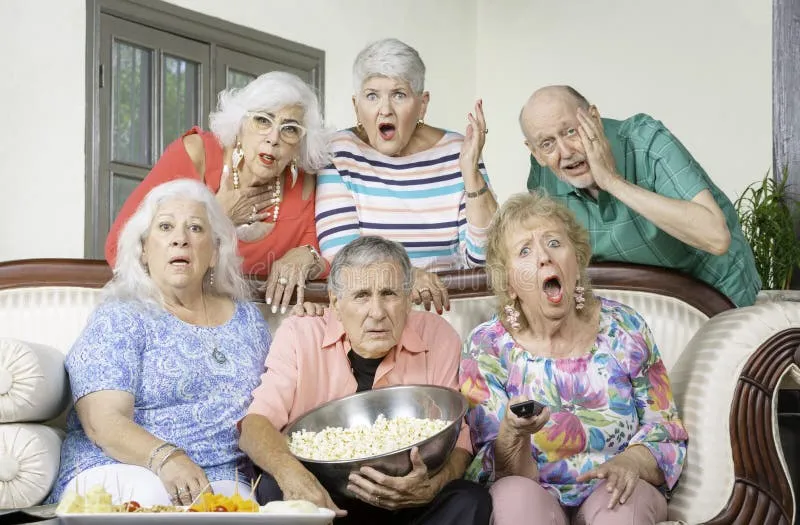
Photo: friends arguing watching TV on couch shocked reaction, via thumbs.dreamstime.com
It starts innocently enough. You and your crew have been watching the same show for weeks — texting reaction GIFs, debating theories, maybe even scheduling watch parties around it. You're bonded. United. Then episode eight drops, a major character does something unforgivable (or brilliant, depending on who you ask), and suddenly the group chat is a war zone.
Welcome to one of the most underrated relationship stress tests of our time: the TV plot twist fallout.
It sounds ridiculous until it happens to you. And if you've spent any real time on the couch with people you care about, it probably already has.
Why Fictional Betrayals Feel So Personal
Here's the thing about great television — it's designed to make you care. Deeply. Writers spend entire seasons building your attachment to characters, making you root for them, fear for them, love them like they're real. So when a show pulls the rug out from under you, the emotional response isn't just about the story. It's about the investment you made.
When that character you defended for three seasons turns out to be the villain, or the finale wraps up in a way that feels like a slap in the face, the grief is real. And when your best friend liked it? That can feel like a second betrayal.
Psychologically, we tend to project our own values onto the characters we love. When someone else interprets that same character differently — especially in a way that conflicts with our worldview — it can feel weirdly personal. Like they're not just defending a fictional person. They're defending something about themselves.
The Classics That Broke Friendships (You Know the Ones)
You don't have to look far for examples. Game of Thrones season eight is probably the most culturally documented instance of a show fracturing its own fanbase. People who had watched together for nearly a decade suddenly couldn't even talk about it without someone getting defensive. The Daenerys arc alone probably ended more friendships than actual life events.
Then there's The Last of Us Part II discourse bleeding into TV conversations, Ozark finale debates, The Walking Dead exits that turned fans against each other, and more recently, The Bear — a show that somehow made people argue about whether stress is good television. (It is. But that's beside the point.)
Even lighter fare isn't immune. There are people out there who have never fully forgiven their viewing partners for being Team Ted when they should have been Team Barney. Or vice versa. These things stick.
The Three Types of Twist Reactions (And Why They Clash)
Not every viewer processes a shocking turn the same way, and understanding the different reaction types can help you figure out why your couch companion is currently giving you the silent treatment.
The Narrative Defender evaluates the twist based on whether it "makes sense" for the story. They can appreciate a dark or uncomfortable turn if it feels earned. They'll argue craft and intention until the credits roll.
The Character Loyalist is emotionally attached to specific people in the show. They don't care about story logic — if their favorite character got done dirty, the whole season is ruined. Full stop.
The Vibe Watcher just wants the show to feel right. They can't always articulate why a twist bothers them, but something feels off, and no amount of thematic analysis is going to change that.
When a Narrative Defender is paired with a Character Loyalist on a couch, a controversial twist can feel like one person is invalidating the other's entire emotional experience. That's where the real friction lives.
Surviving the Fallout Without Losing the Friendship
Okay, so the show went somewhere nobody expected and your viewing crew is now splintered. Here's how to get through it without anyone rage-quitting the friendship.
Give it 48 hours. Seriously. The immediate post-episode period is not the time for rational discussion. Everyone's too raw. Let the dust settle before you try to have a real conversation about it. The group chat can wait.
Separate the show from the person. Your friend isn't a bad human because they liked the finale you hated. They processed a piece of fiction differently than you did. That's it. The moment you start treating their opinion as a character flaw, you've lost the plot — pun intended.
Try the "explain your reaction" approach. Instead of defending your stance, ask the other person to walk you through why they felt the way they did. Not to change your mind, just to understand it. You'd be surprised how quickly tension defuses when someone feels genuinely heard rather than debated.
Accept that ambiguity is the point. The best shows are designed to provoke exactly this kind of division. If everyone agreed on everything, it probably wasn't that interesting to begin with. A show that gets people arguing this passionately is doing something right — even if it's infuriating.
Find the common ground. Even in the most divisive twist situations, there's usually something both sides can agree on. Maybe you hated the ending but you both loved season two. Start there. Rebuild from shared appreciation before you re-engage on the contested stuff.
When It's Actually About More Than the Show
Sometimes — and this is worth saying out loud — the TV argument is a stand-in for something else. If you and your partner have been low-key annoyed with each other all week and then a show gives you something to fight about, the show is not the real issue. It's just the arena.
Pay attention to whether the intensity of the disagreement matches the stakes. If you're genuinely upset about a fictional character's choices three days after the episode aired, it might be worth asking what's actually going on.
On the flip side, sometimes the couch is exactly the right place to work things out. There's a reason people bond over shared TV experiences — it creates a safe space to feel things together. Even the arguments are, in a weird way, a form of intimacy.
The Shows Are Supposed to Do This
At the end of the day, the fact that a TV twist can create real tension between real people is kind of a testament to how powerful storytelling has gotten. We're not just passive consumers anymore. We're invested, opinionated, and emotionally entangled in fictional worlds in ways that would have seemed strange to previous generations.
That's not a problem. That's actually kind of beautiful.
Your friendship can survive a plot twist. It can survive a controversial ending, a character heel-turn, or a finale that landed wrong for half the room. What it requires is a little grace, a willingness to hear someone out, and the understanding that the couch is big enough for more than one interpretation.
Now go text your friend. The next episode drops Friday and you're not watching it without them.